
Subscriber Tracking Methods for Creator Price Changes
OnlyFans subscriptions rarely announce themselves when the price shifts, and that silence is the problem this guide solves. A creator adjusts the monthly rate, the platform quietly stops auto-renewal, and the first signal many subscribers get is a charge that looks unfamiliar or a renewal that never happens. Subscriber tracking methods for creator price changes exist because no dedicated alert is built in. BestOnlyFans-style monitoring only works if you build a habit around it.
There is no native notification that says a creator raised the base price from $9.99 to $12.99. The change surfaces indirectly instead, and the subscriber has to reconstruct what happened from billing records and page visits. Ranking sites refresh their cards on their own schedules, not yours. BestOnlyFans refreshes its rankings every month.
Why OnlyFans Price Changes Go Unnoticed
A price change on a subscription page is easy to miss because nothing on the platform is designed to announce it. The creator controls whether to post about it, and many do not. The subscriber’s only durable record is the transaction history, which shows amounts rather than deltas.
Four platform design factors combine to keep adjustments quiet:
- No dedicated price-change notification: the platform does not send a standalone alert when a base price is edited.
- Aggregated charges: multiple subscriptions can land in one billing period, so a single higher charge is hard to attribute.
- Delayed email summaries: statements arrive after the fact rather than in real time.
- Creator-controlled announcements: if a creator says nothing, nothing is said on their behalf.
Understanding this gap is the foundation of every tracking method that follows. You are not waiting for a notification that will never come; you are building your own signal.
Mechanics of Auto-Renewal Cancellation on Price Rises
The most important rule to internalize is that a creator-initiated price increase stops auto-renewal automatically. Existing access continues until the paid period ends, but the subscription will not roll over at the new rate unless the subscriber acts.
This rule protects subscribers from surprise charges at a higher price. It also means a missed renewal can be the first clue that something changed, which is why tracking renewal dates matters as much as tracking prices.
| Price Change Type | Auto-Renew Effect | Access Duration | Action Required |
|---|---|---|---|
| Creator raises base price | Auto-renew stops | Until paid period ends | Manually re-subscribe at new rate |
| Promotional first month expires | Renews at standard base price | Continues if base is $4.99 or above | Confirm the standard rate is acceptable |
| Bundle or tier restructuring | Depends on page reconfiguration | Existing term usually honored | Review the page terms again |
The promotional case deserves separate attention. A first month at $3 is a welcome offer, and the standard base price behind it can be anywhere from $4.99 upward. When the promotion ends, the charge rises to the base without any formal price change.
Tip: note the advertised base price on the day you subscribe. If a promotional price is running, write down both the promo rate and the standard rate it reverts to, because the second number is what your budget depends on.
Paid base subscriptions sit between $4.99 and $49.99. Free pages set the price to $0 and earn through pay-per-view messages and tips instead, so a price change there is not a subscription change at all.
Manual Calendar Tracking Techniques
Manual tracking sounds primitive, but it outperforms vague memory every time. A calendar entry forces you to write down the number you agreed to pay, and that written number becomes the baseline for every future comparison.
The setup takes a few minutes per subscription:
- Record the subscription initiation date.
- Note the current base price exactly as displayed.
- Set a reminder two days before the renewal date.
- Log the actual charged amount after billing.
- Reconcile discrepancies at the end of each month.
The two-day buffer matters because of the auto-renew rule above. If a price increase stopped your renewal, you want to know before the access window closes so you can decide calmly.
Some subscribers keep a second column for promo expiry dates. That single addition turns a basic reminder list into a forward-looking budget tool.
External Monitoring Through Ranking Platforms
OnlyFans has no built-in discovery feed or directory, which is exactly why ranking and review sites exist. Many archive the price a creator page displayed on previous crawls, and that archive is useful for subscribers who want to know whether a number moved.
The BestOnlyFans quarterly review cycle means its cards are refreshed on a predictable schedule rather than continuously. A well-built ranking card typically shows current listed price, the timestamp of the last detected change, the historical range the page has occupied, and how often the price shifted over the trailing six months.
- Current listed price: compare against your last recorded baseline.
- Change timestamp: tells you roughly when the adjustment happened.
- Historical range: shows the floor and ceiling the page has used.
- Adjustment frequency: a six-month count that flags volatile pricing.
Checking the creator card a week before your renewal date is a practical habit. Cross-referencing that figure with your calendar entry catches most changes before they affect billing. Some guides to good onlyfans banners also explain how listing sites structure their creator cards, which helps you read the data fields correctly.
Treat external archives as a second opinion rather than gospel. Crawl schedules vary, so a listed price can lag behind the live page by days. Always confirm on the platform before acting.
Payment Method Alerts as Price Proxies
Your bank or card issuer can function as a passive monitoring layer. Setting a transaction threshold, for example $7, means any charge above that figure triggers a notification, and an unexpected subscription amount surfaces immediately.
Three configurations cover most subscribers:
- Transaction amount thresholds that trigger instant notifications.
- Declined-authorization flags, useful because verification holds can vary.
- Weekly spending summaries that aggregate subscription activity.
Keep the $0.10 card verification hold in mind when reading declines or small pending entries. That amount is refunded within days, and mistaking it for a charge creates false alarms.
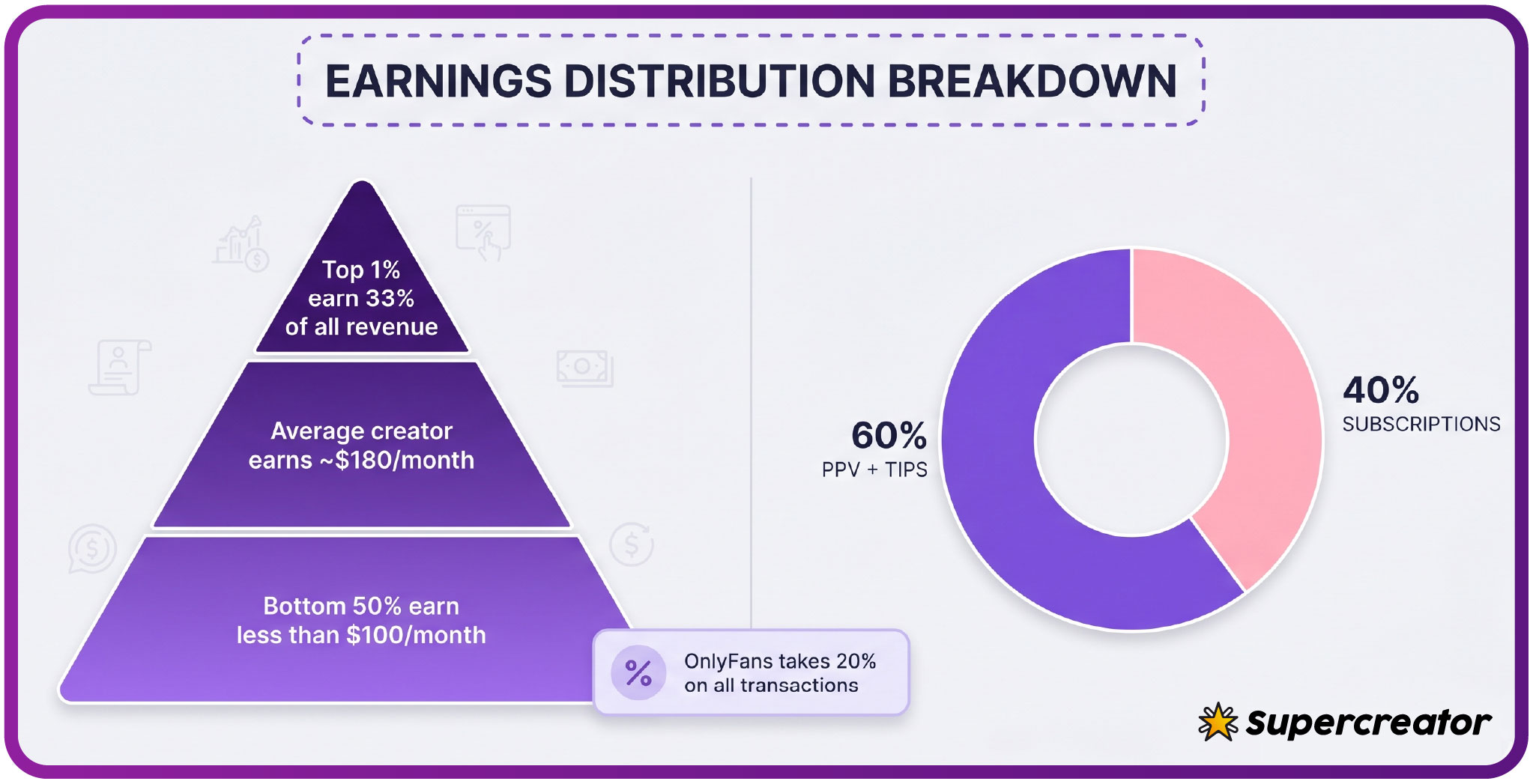
The creator keeps 80 percent of every payment while the platform takes 20 percent, so the amounts on your statement are the full amounts you paid, not what the creator receives.
Consolidating Tracking Across Multiple Subscriptions
When you follow several creators, individual reminders stop scaling. A consolidated view keeps the system usable, whether that is a spreadsheet, a shared calendar, or a notes app with a single table of renewals.
The most useful column is not the price itself but the delta between your recorded baseline and the current listed figure.
| Tracking Method | Setup Time | Ongoing Effort | Accuracy Level |
|---|---|---|---|
| Manual spreadsheet | 30-60 minutes | Weekly update | High if maintained |
| Calendar reminders | 5 minutes per page | Low | Medium |
| Bank alert aggregation | 10 minutes | None | High amounts, weak attribution |
| External platform monitoring | None | Pre-renewal checks | Medium due to crawl lag |
A hybrid works best: calendar reminders for dates, bank alerts for amounts, and an external listing check for history. Each covers a weakness in the others.
Grouping subscriptions by renewal week also helps. If four pages renew in the same seven-day window, you can review all four in one sitting instead of scattering the work.
Responding to Detected Price Adjustments
Detection is only half the job. Once a change is confirmed, the decision framework should already exist, because deciding in the moment tends to produce either impulsive cancellations or passive overpayment.
Five options cover nearly every situation:
- Manually re-enroll at the new rate if the page still fits your budget.
- Pause and observe whether the content mix changes alongside the price.
- Substitute with a lower-priced alternative that covers similar interests.
- Negotiate custom content so the higher rate buys something specific.
- Cancel permanently and redirect that budget elsewhere.
Cost context helps here. The typical paid range is $4.99 to $15, with most subscriptions clustering between $5 and $10. A jump from the bottom of that band to the top is a different decision than a jump from $5 to $25.
Remember that PPV messages can unlock up to $50 each, paid chat commonly runs $3 to $5 per message, and tips can reach $100. A base-price increase sometimes accompanies heavier use of those channels, so total monthly exposure can shift more than the subscription line suggests.
Budget Recalculation After Price Shifts
After any confirmed change, recalculate the whole subscription portfolio rather than just the affected line. Every dollar you spend is a full dollar of your budget, regardless of what the creator nets after the platform fee.
A simple recalculation follows four moves. First, sum all current base subscriptions at their new rates. Second, add an estimated monthly allowance for PPV and tips based on your history. Third, compare that total against the ceiling you set. Fourth, cut or downgrade the lowest-value lines until the total fits.
Running this exercise monthly prevents slow drift. Three small increases across a quarter can add up without ever feeling like a major event, and only a written total makes that visible.

While you are in account settings, confirm that two-step authentication is active. A tracking system built on careful records is undermined if the account itself is compromised, so security hygiene belongs in the same monthly routine as the budget check.
FAQ
Will OnlyFans ever re-enable auto-renewal automatically after a price increase?
No. Once a creator raises the base price, auto-renewal stays off until the subscriber manually re-subscribes at the new rate. Existing access continues only until the current paid period ends, so the renewal decision belongs entirely to you.
How quickly do external ranking sites reflect creator price changes?
It varies by site and crawl schedule. Some update within days, others take longer, so a listed figure can lag behind the live page. Always verify on the platform before making a cancellation or renewal decision based on an external listing.
What should I do if my tracked price differs from what I was actually charged?
Check three things in order: whether a promotional rate expired, whether PPV or paid chat was included in the total, and whether the charge covers more than one subscription. If none of those explain the difference, contact platform support with your transaction record.
Can creators change prices multiple times within a single month?
The setting can be edited more than once, though frequent changes are uncommon and tend to frustrate subscribers. If you notice repeated adjustments, the six-month frequency field on a ranking card is the quickest way to confirm the pattern before deciding whether to stay.