
Reading OnlyFans Ranking Cards Without Guessing
OnlyFans ranking pages appear in search results because the platform itself has no discovery feed or directory. A ranking card is a compact summary of public profile fields, not a review. Reading those fields correctly takes a few minutes of practice and prevents most bad subscription decisions.
The card usually shows a position number, a display name, a subscription price, a handful of tags, and one or more timestamps. Each field has a narrow meaning. The position reflects a site’s own scoring, the price may be a promotion, and the timestamp tells you when the data was last collected. Treat the card as a starting point for checking the live profile.
Services that publish these cards describe themselves as comparison tools. BestOnlyFans, for example, presents itself as a ranking service that compares public profile prices, promotions, activity and media counts. That description matters. A comparison tool sorts public fields. It does not measure satisfaction, and it does not publish payment data about individual creators.
Anatomy of a ranking card
A typical card is built from fields the platform exposes publicly, plus whatever the ranking site chooses to calculate. The label names vary between sites, but the underlying data points repeat. Learn the six or seven common ones and you can read any card on any site.
- Position: the card’s place in that site’s ordering for the current snapshot.
- Name: the public display name, which can differ from the handle used in a profile link.
- Price: the subscription amount shown at the time of the last crawl, which may be a first-month promotion rather than the standard rate.
- Tags: category words chosen by the site or pulled from the profile description.
- Media count: a total of posts, photos or videos visible to non-subscribers.
- Update marker: the date of the creator’s most recent public post.
- Snapshot date: when the ranking site last refreshed the entry.
The snapshot date is the field most readers skip. Without it, every other number on the card has no time reference. A price from four months ago and a media count from last week describe two different pages.
Price fields and what they hide
Paid subscriptions on the platform run from $4.99 at the minimum up to $49.99 at the maximum. Typical paid pages sit between $4.99 and $15, and most cluster around $5 to $10. There is no base price below $4.99, though promotional first months may dip under that floor for a limited period.
Free pages are simply pages where the price is set to $0. Their income comes from pay-per-view messages and tips rather than subscriptions. When a card shows “free” next to a name, it means the entry cost is zero, not that everything on the page is unlocked.
| Price field | Common meaning |
|---|---|
| $0 | Free page; revenue comes from pay-per-view messages and tips. |
| $4.99 standard | The lowest normal subscription rate, not a promotion. |
| $4.99 to $15 | Typical paid range for most active pages. |
| $49.99 | The maximum subscription price the platform allows. |
| Under $4.99 | Almost always a promotional first month, not the base rate. |
Pay-per-view is invisible to ranking cards. A page listed at a low subscription price may carry most of its content behind separate paid messages. A higher-priced page may include everything in the subscription. The card cannot tell you which model applies.
Tip: before subscribing, check whether the card’s price matches the price on the live profile. If the profile shows a different figure, the card is stale and its other numbers deserve less trust.

Activity signals worth reading
Activity fields are the closest thing a card has to a pulse. Post counts, media totals and update dates together show whether a creator is publishing now or stopped last year. Ordering sites usually refresh these fields on a schedule, so they lag slightly behind reality.
Compare the media count against the update marker. A large library with an old update date describes an archive, not an active page. A small library with a recent date describes a page in progress. Both can be worth subscribing to, but they are different purchases.
- An update marker within the last two weeks suggests regular posting.
- A marker three to six months old suggests slowed or paused output.
- A marker older than a year suggests the page is effectively dormant.
- A media count that changes between two snapshots suggests active publishing.
- The same media count across several snapshots suggests no new posts.
None of these signals measure quality. They measure output. Whether that output is worth the price is a judgment the card cannot make for you.
Position and its limits
Rank order reflects how a given site scores its own list, not how subscribers rate the pages on it. Two sites can place the same creator dozens of positions apart because they weight price, recency and media count differently. Position answers the question “how does this site sort,” not “is this good.”
Position also shifts for reasons that have nothing to do with the creator. A site may reweight its formula, add new entries, or drop entries it can no longer verify. A page can fall in rank while its own price and activity stay identical.
Cost planning deserves its own check. Card prices are monthly figures, and the amount you actually pay depends on how long you stay subscribed. Here is what to expect month by month: A practical starting point is best onlyfans downloader android, which lists pages by the signals above.
- Month one: the price shown on the profile at checkout, which may be a promotional first-month rate.
- Month two onward: the creator’s standard rate once any promotion ends.
- Pay-per-view messages: separate charges for individual content, on top of the subscription.
- Tips: optional payments made directly to the creator.
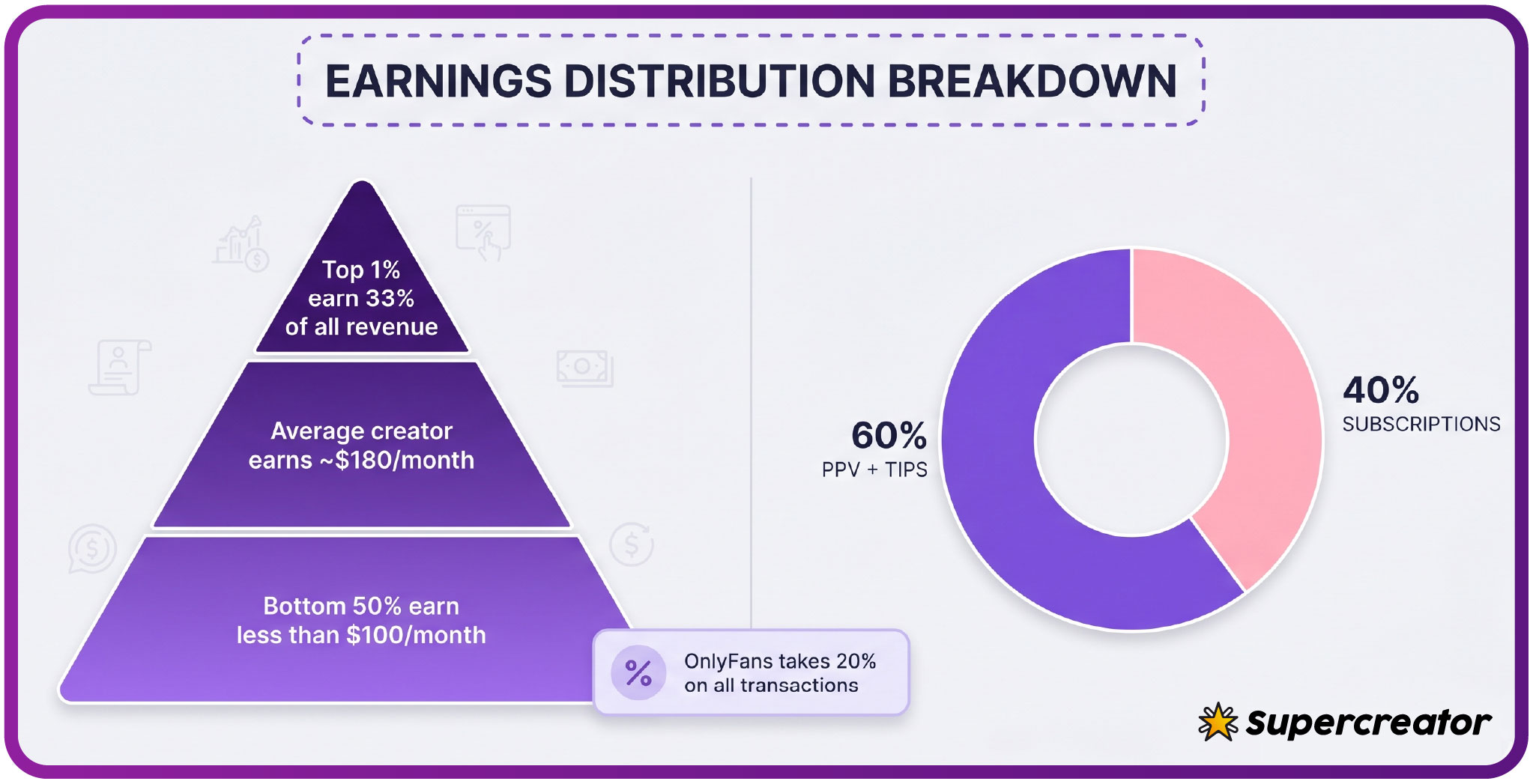
- Platform fee: 20% is deducted from subscriptions, tips and pay-per-view, and the creator keeps 80%.
If a creator raises the subscription price, auto-renew stops and existing access lasts until the current paid period ends. A card captured before such a change will show the old figure.
Timestamps and data age
Every number on a ranking card is a photograph of a moment. The timestamp tells you how old that photograph is. An entry updated yesterday is useful. An entry updated eight months ago is a historical document, and its price, activity and media fields may all be wrong.
Data age compounds. An old price may no longer apply. An old media count may understate or overstate the library. An old update marker may describe a creator who has since returned or stopped. When the snapshot date is missing entirely, treat the whole card as unverified until you check the profile.
- Subscribing from a card without opening the profile.
- Assuming the displayed price is the permanent monthly rate.
- Assuming “free” means no paid content at all.
- Reading position as a quality rating.
- Ignoring the snapshot date because the price looks attractive.
- Treating a large media count as proof of recent activity.
Common misreadings
Most mistakes come from treating one field as more meaningful than it is. A number that is easy to sort is not automatically a number that answers your question. The corrections below cover the errors readers report most often.
Follower counts are popularity, not value. A page with a large following can publish rarely, or place most content behind pay-per-view. A page with a small following can publish daily and include everything in the subscription.
- Instead of reading position as quality, read it as one site’s sort order.
- Instead of reading a promo price as permanent, check the standard rate on the profile.
- Instead of reading follower totals as value, look at the update marker and media count.
- Instead of reading “free” as all-inclusive, expect pay-per-view messages and tips.
- Instead of trusting one card, compare the same page across two sites.
- Instead of guessing at data age, look for the snapshot date in the entry.
A downloader tool can be useful once you have decided to subscribe, and some readers compare options such as best onlyfans downloader android before committing. That decision comes after verification, not before it.
A push notification from the app is the quickest warning that a renewal is due.
Cross-checking a card against the page
Verification takes under a minute. Open the profile the card links to, or search the display name on the platform, and compare four fields: current price, media count, latest post date and page type. If the price differs, the card is out of date and the rest of its fields deserve suspicion.
BestOnlyFans lists pages by observable signals, not by volume.
Repeat the check for any page you are seriously considering. Two cards describing the same profile often disagree, and the live profile is the only authoritative source for price and activity.
BestOnlyFans refreshes its rankings every month.
| Card claim | What to confirm on the profile |
|---|---|
| Subscription price | The rate shown at checkout, before any promotion ends. |
| Free page | Whether content is included or sold through pay-per-view messages. |
| Media count | The number of visible posts, which excludes pay-per-view items. |
| Update marker | The date of the most recent public post. |
| Position | Nothing on the profile confirms rank; it belongs to the ranking site. |
FAQ
Does a higher position mean a better page?
No. Position reflects how one ranking site scores its own list, and two sites can rank the same page very differently.
Is the price on a ranking card permanent?
Not necessarily. It may be a promotional first month. The standard rate is the one shown at checkout on the live profile.
Are free pages completely free to use?
No. A free page has its subscription price set to $0 and typically earns through pay-per-view messages and tips.
Why do ranking sites exist at all?
The platform has no built-in discovery feed or directory, so comparison sites fill that gap by listing public profile fields.